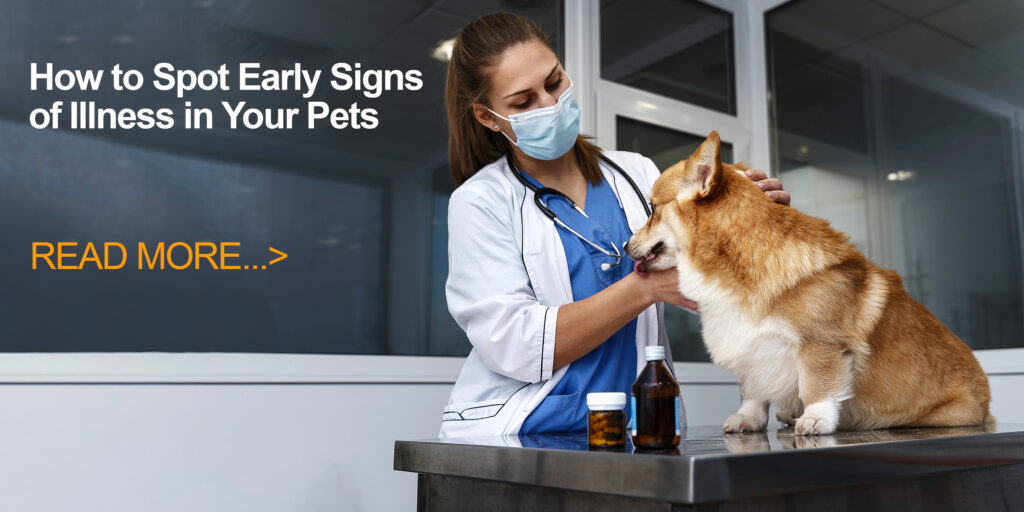
It is very important for us to make sure that our pets are healthy and content. Spotting the first signs of sickness in pets can improve how healthy and long they live. Pets tend to mask their pain which is why we should watch carefully for any changes in the way they behave and look.
How Important Early Detection Is
It is likely that pets, especially Cats and Dogs, hide signs of illness because it was a trait passed down from their ancestral wild animals. Usually, it is only after symptoms appear that the disease has become more advanced. Finding it early means getting treatment when it is most helpful which raises the chances of getting better.
What To Watch For When Your Pets Are Not Well
1. A decreased or increased appetite or thirst
A big change in how much food or water your pet drinks can suggest that there is a health condition like diabetes, kidney disease or dental problems present.
2. A Person Might Become Sluggish
Loss of typical energy or a lack of play may points to illness or some kind of discomfort.
3. When a person’s weight changes for no apparent reason.
Important changes in body weight that are not due to diet could show signs of metabolic, parasitic or other health problems.
4. Behavioral Changes
Increased impatience, showing anxiety or trying to isolate themselves may show that a pet has pain or a brain problem.
5. Vomiting, Diarrhea
Some mild digestive troubles may occur, although severe and ongoing vomiting or diarrhea should be checked by a veterinarian to spot infections or food sensitivities.
6. Respiratory Issues
Although coughing, sneezing or difficulty breathing might be signs of an infection, allergies or even heart disease.
7. Signs such as changes in the skin and coat can show up.
Having dull fur, shedding more hair than normal, itching and finding lumps may indicate allergies, infections or skin problems.
8. Patients might come to us for bad breath or other dental problems.
Smelly breath, drooling and issues with eating can point to dental disease which might lead to poor overall health if not treated.
9. Problems with urinating or dumping.
Having straining, accidents or changes in how often you use it could mean you have urinary tract infections, kidney problems or issues with your digestion.
10. There may be leaking liquid from the eyes or nose.
Signs such as eye or nose discharge, redness and swelling may mean you have an infection or allergies.
Knowing When to Visit a Veterinarian
If these conditions are present for more than two days in your pet, get advice from your veterinarian at the earliest opportunity. catching diseases early can prevent them from getting worse.
- Preventive Measures
Yearly or bi-yearly trips to the vet make sure your pet is healthy and up to date on vaccinations.
- Nutritional Care
Organize your pet’s meals according to their breed, age and other health specifications.
Help your pet exercise regularly to make sure they are not overweight and healthy in mind.
Regularly brushing your pet helps find any issues with their skin or parasites faster.
Be sure to give your pet vaccinations regularly and preventive treatments for fleas, ticks and worms.
Conclusion
Noticing changes in your pet’s actions and health can help you early identify any health problems. Getting your pet to a vet in a timely manner can improve your pet’s health and enjoyment of life.